
Centre for Translation, Interpreting and Localisation Studies

Centre for Translation, Interpreting and Localisation Studies

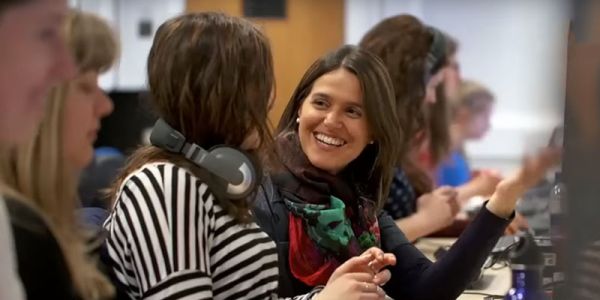
Centre for translation studies

Our research

The Centre for Translation, Interpreting and Localisation Studies (CTILS) conducts world-leading research in a wide range of areas. Our research is motivated by an interest in analysing the translation product, the processes which lead to it, and the people involved in translating and interpreting, drawing on empirical and conceptual approaches from a range of disciplinary and interdisciplinary perspectives. This covers such activities as:

  • Collecting, enriching and analysing monolingual and multilingual corpora (how to collect texts and explore the contents of multilingual text collections);
  • Computer-assisted translation, machine translation, and AI translation (how to use computers in human translation);
  • Multilingual, multimodal analysis (how to analyse audiovisual material, such as film, and graphic documents in multilingual contexts);
  • Accessibility and media localisation;
  • Research into the language services industry and translation profession (questions of identity, status, job quality, remuneration, etc.);
  • Interpreter training and other aspects of interpreting studies (conceptualization of pedagogy in interpreter training, corpus-based study of the interpreting process and product, etc.);
  • Use of eye-tracking in research on translation, subtitling and language learning.

We have a long-standing tradition of developing research in collaboration with academic and industrial partners to fill gaps in knowledge or to find solutions to problems faced by practicing translators, subtitlers and interpreters. Past collaborative projects with private and public sector partners have yielded benefits in a number of sectors, improving commercial performance, enhancing professional practice and creating innovative pedagogical resources. 

News

We are delighted to announce that Dr Natalia Rodríguez Vicente (PhD, FHEA) will be joining CTILS in September. Natalia joins from the University of Essex, where she served as Programme Director of the MA in Translation, Interpreting and Subtitling, and taught conference and community interpreting (skills-based and English-Spanish), as well as applied linguistics. Before moving into academia, she worked as a conference interpreter and translator at The  International Centre for Advanced Mediterranean Agronomic Studies (CIHEAM) and on a freelance basis, and as a translation and localisation project manager at Rubric, Inc. in Edinburgh.
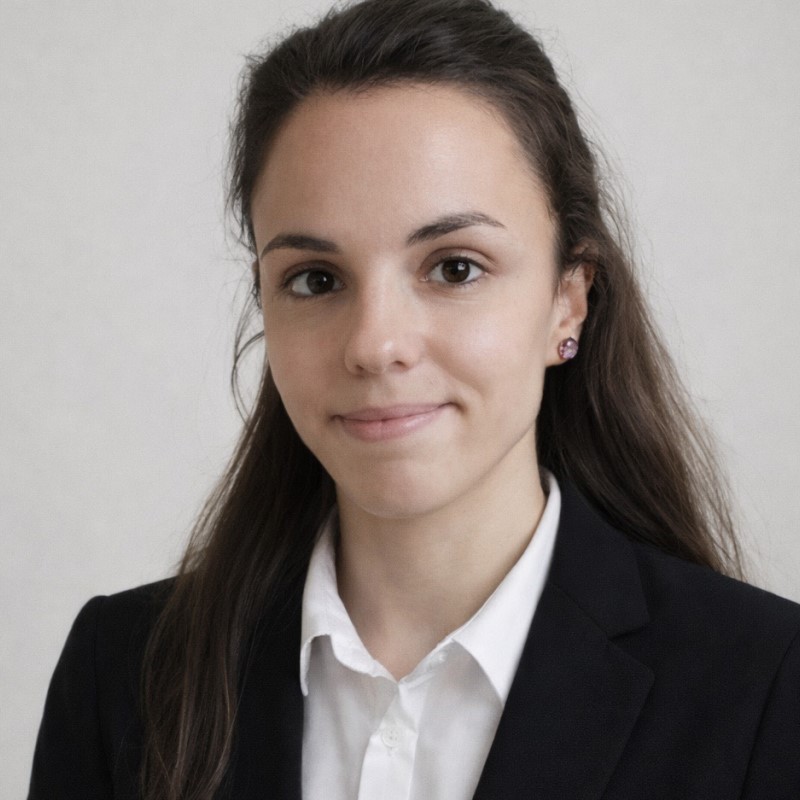
A woman looks at the camera


Natalia’s research focuses on healthcare interpreting and language-based inequalities, with a growing interest in how these areas intersect with emerging technologies. She completed her PhD at Heriot-Watt University and her thesis, on dialogue interpreting in Psychological Medicine, received the 2021 International CIUTI Award. Following her PhD, Natalia worked as a postdoctoral research associate on an NIHR-funded study of interpreter-mediated Mental Health Act Assessments in England and Wales. She has since served as PI and Co-I on projects funded by the British Academy and the Academy of Medical Sciences; and is currently working on a project on ethical decision-making in interpreting involving community languages in Essex, funded by the University Council for Languages (UCFL) small grants scheme.

At Leeds, Natalia looks forward to contributing to and further strengthening CTILS’s expertise in conference and community interpreting while developing new research and collaborations in healthcare communication, language (in)equalities and emerging technologies.