

Centre for Religion and Public Life

Research clusters
Work in the Centre is clustered in the following research areas
Religion, Activism and Social Justice
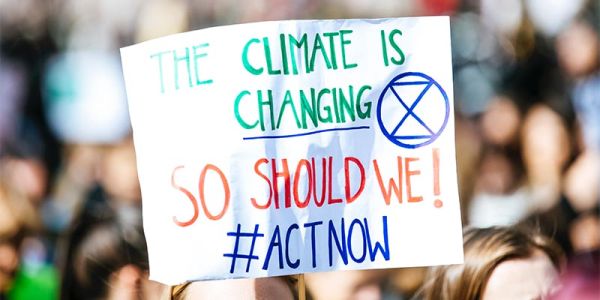
Work in this area is multidisciplinary, making use of anthropological, sociological, philosophical and theological approaches and concerns a wide range of global contexts
More
Religion, Ethnicity and Diaspora
This ethnographic research focuses on both local, national and international levels, and is mostly concerned with South Asian Muslim and Sikh communities and traditions.
More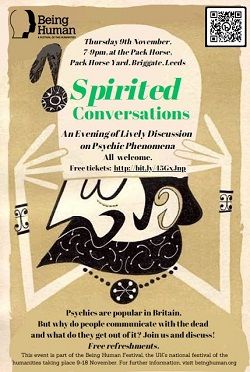
Religion, Ethics and Practice
Research covers philosophical, theological, ethnographic approaches, and the relation between beliefs in an afterlife and ethical or political engagement; religion, animal ethics and environmentalism.
More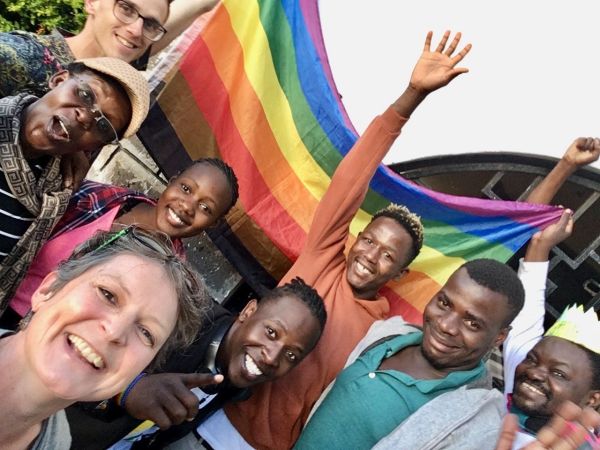
Religion, Gender and Sexuality
Research in this area makes use of anthropological, sociological, geographical, theological and textual approaches, building on feminist, queer, and postcolonial perspectives.
More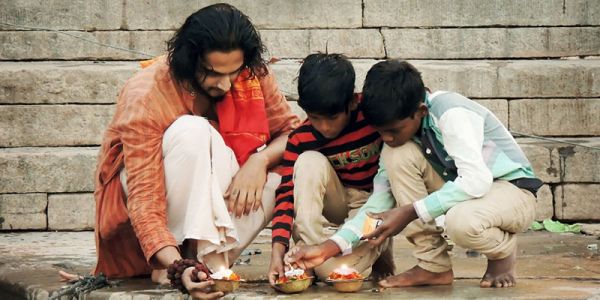
Religion, Health and Wellbeing
Work is empirical, examining the role of religious communities in public health, and also theological and philosophical, how religion contributes to human flourishing and spiritual well-being.
More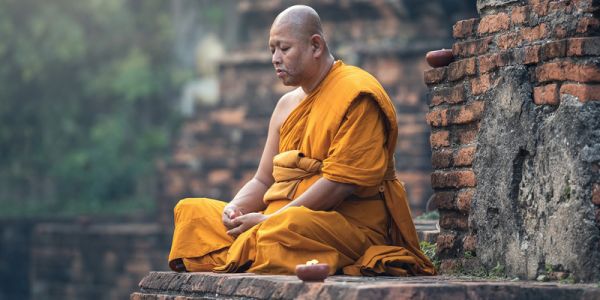
Religion, Media and Material Culture
The work explores South Asian traditions and communities in Britain and makes use of ethnographic, sociological and media-studies approaches.
More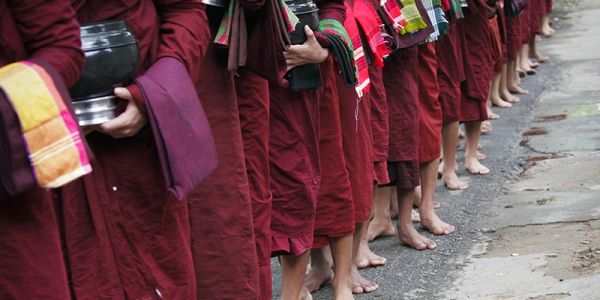
Religion, Politics and the State
This work is multiscalar, ranging from neighbourhoods, local and national governments, state institutions such as the police, and international bodies.
MoreSeminar series
The Centre for Religion and Public Life (CRPL) is pleased to announce a terrific line-up of seminar speakers for Semester 1 (2026/27).
CRPL seminars are on alternate Thursdays during teaching weeks, from 11.30-13.00 in Botany House seminar room (1.03). Everyone is welcome.
This talk calls for a conversation between men and women towards dismantling patriarchal structures that promote and legitimise rape culture. Focusing on the context of Port Harcourt, Nigeria, it interrogates the role of patriarchy in gender-based violence, what gender-sensitive conversation looks like, and what it could achieve in spaces of mutual respect, theological reflection and genuine love. Based on over six years of ethnographic research, including participant observation, interviews and focus group discussions, this talk brings to the fore the often under-represented and rarely documented stories of women with disabilities who were infected with HIV through rape by men known to and, in some cases, loved by them. It advances the findings explored in my new book that women with disabilities, including those with albinism, continue to negotiate unsafe intimate partner relationships, while making sense of the ambivalence of a Christian faith that both provides succour and drives abuse. This presentation argues that in religious and cultural spaces, patriarchy enables and entitles men to act in ways that dehumanise and diminish the value of women - sometimes with deadly consequences.
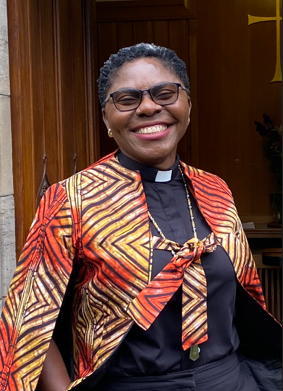
Rev. Dr. Jessie Ini Fubara-Manuel is an ordained minister, researcher, author and advocate for gender justice and disability inclusion. She is Urban Theologian of the Leeds Church Institute. Her recently published book is Navigating Disability, HIV, Relationships and Abuse for Christian Women in Nigeria: A Focused Study on Port Harcourt (Abingdon: Routledge, 2026)
Please note: our second CRPL seminar is on a different day of the week and at a different time to other seminars in our series! Monday 12 October 2026, 13:30-15:00, Botany House seminar room (1.03).
As a current 'work in progress', I'm exploring the commitment of various states to projects of global Islamophobia and the maintenance of colonial racial governance through the suppression of Muslim resistance. I want to develop this further investigating how genocides targeted at Muslims have become normalised and institutionalised through political rhetoric, education and the formulation of the definition.
Since October 7th 2023, people globally have taken a stand against the atrocities being committed in Gaza and made links to other examples of genocide. A large proportion of this activism has come from young people, especially in universities, and has been met with fierce crackdowns and in some cases prosecutions. In the UK context, the way we teach emboldens dominant narratives and supports status quo points of view. This is particularly true in terms of topics like genocide, remembrance, empire and coloniality. This ensures that from an early stage of education, students are inculcated to not acknowledge particular events for the impact and consequences they’ve had. In terms of genocide, this is further emboldened by the definition that was adopted, the arbiters of that process, and the political pressures of who is or is not to be condemned as genocidaires. All of this take place in a climate of global Islamophobia and colonial amnesia that obfuscates the root cause of racial tensions in a variety of countries.
This paper will investigate how the erasure of genocide provides cover for many that don’t reach the definitional threshold, and the links this has to colonial projects past and present. It will further explore the inadequacies of the definition and how the selective application and enforcement of it provides cover for current crimes. Lastly, I hope to explore how this impacts education around genocide and what this means for future generations who are taught about remembrance, crimes against humanity and the role of ‘Never Again’.
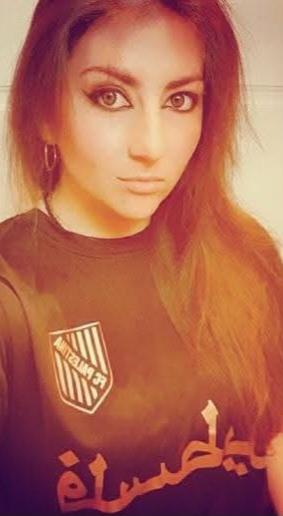
Dr Claudia Radiven is a lecturer in Sociology and Social Policy at the University of Leeds. Her areas of expertise include Critical Muslim Studies, Islamophobia, Critical Race Theory, State Crime, and Race and Social Justice. Claudia has also co-edited and co-written Crimes of States & Powerful Elites: A Collection of Case Studies. She is also one of the hosts of the podcast, Radio ReOrient.
Content warning: sexual harassment and abuse.
This seminar will explore the sexual harassment and abuse of Catholic Religious Sisters, especially by Priests, and discuss the responses of church authorities when abuses are disclosed or become known. It will:
(1) examine the fictional story of Sister Shanumi in the film and novel Conclave; (2) discuss internal reports of abuses against religious sisters in 1990s, public media coverage of these reports in 2001, and the renewed internation concern over the issue since 2018; and (3) describe a current research project to learn more about church responses when sisters are subjected to sexual harassment or abuse.
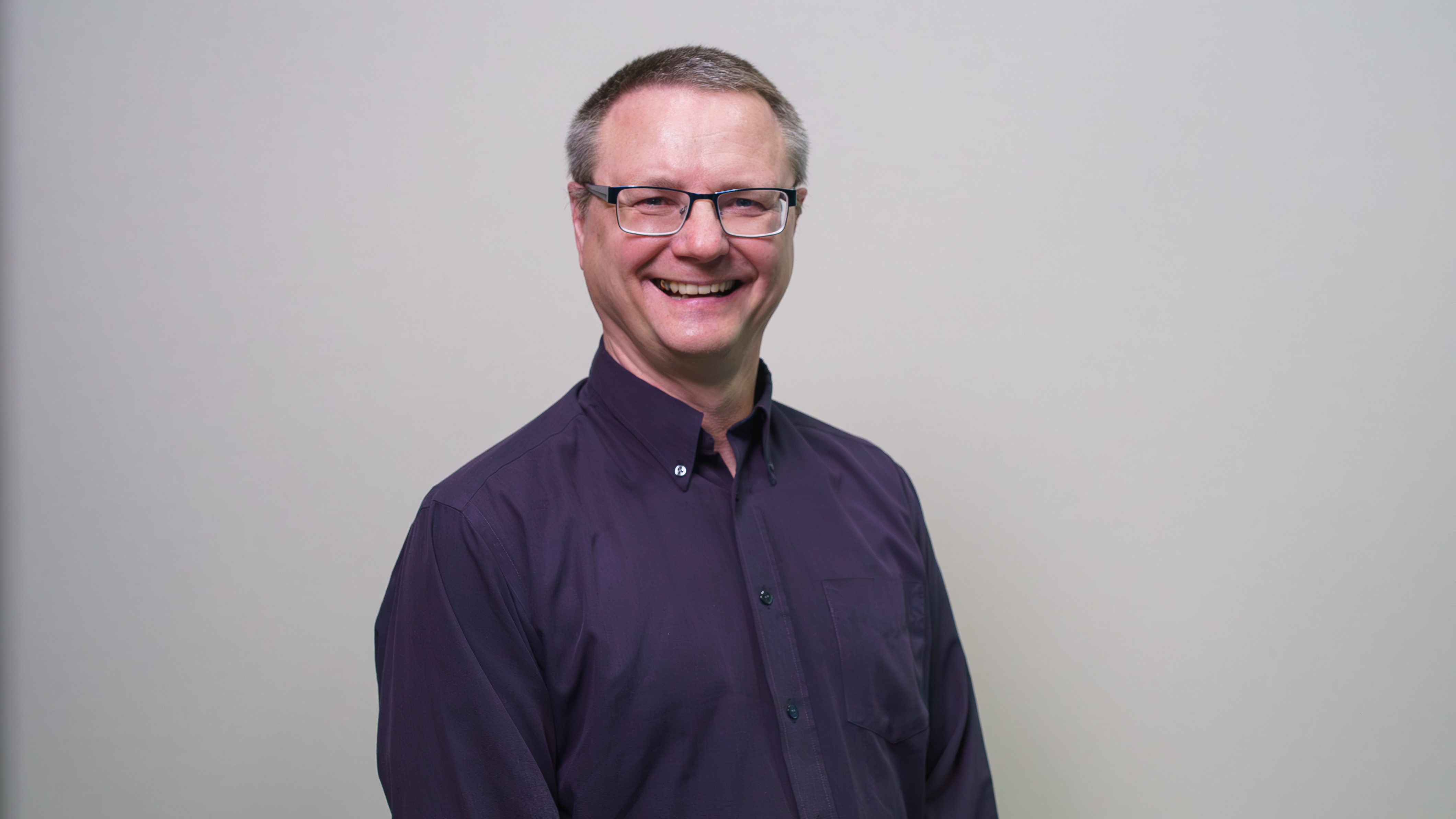
David Tombs is the Howard Paterson Professorial Chair, and Director of the Centre for Theology and Public Issues, at the University of Otago | Ōtākou Whakaihu Waka, Aotearoa New Zealand. Originally from the United Kingdom, he moved to Otago in 2015, when he was appointed under the university’s Leading Thinkers initiative. David is a lay Anglican theologian with a longstanding interest in religion and social justice. His work focusses on contextual and liberationist approaches in theology. Much of his recent research has explored how churches can make better responses to spiritual and sexual abuses. He is known internationally for biblical research that has identified the significance of forced nudity as an instrument of violence during crucifixion. Read more at www.david-tombs.com.
Forthcoming CRPL speakers in Semester 1: Victoria Omotoso, Livnat Decleve and Scott Midson. More details to follow!
For more information, please contact Johanna Stiebert, Director of CRPL, j.stiebert@leeds.ac.uk
A record of past seminars hosted by the Centre for Religion and Public Life is available here.
News and events

Student Spotlight: Molly McKnight Published in Green Christian Magazine
Congratulations to BA Philosophy, Ethics and Religions student, Molly…
More

Non-profit alternatives and more transparency in algorithm design could help to fix dating apps, Faculty researchers argue
Exploring the promises and pitfalls of online dating
More
Islamophobia Awareness Month
On the occasion of Islamophobia Awareness Month, CRPL is pleased to promote…
More