

Research project
Gender, Urban Development, and Women's Lives in the New Towns in North-West England, c. 1960s–1990s
- Start date: 1 October 2026
- End date: 30 June 2027
-
Funder:
- Primary investigator: Dr Eve Pennington
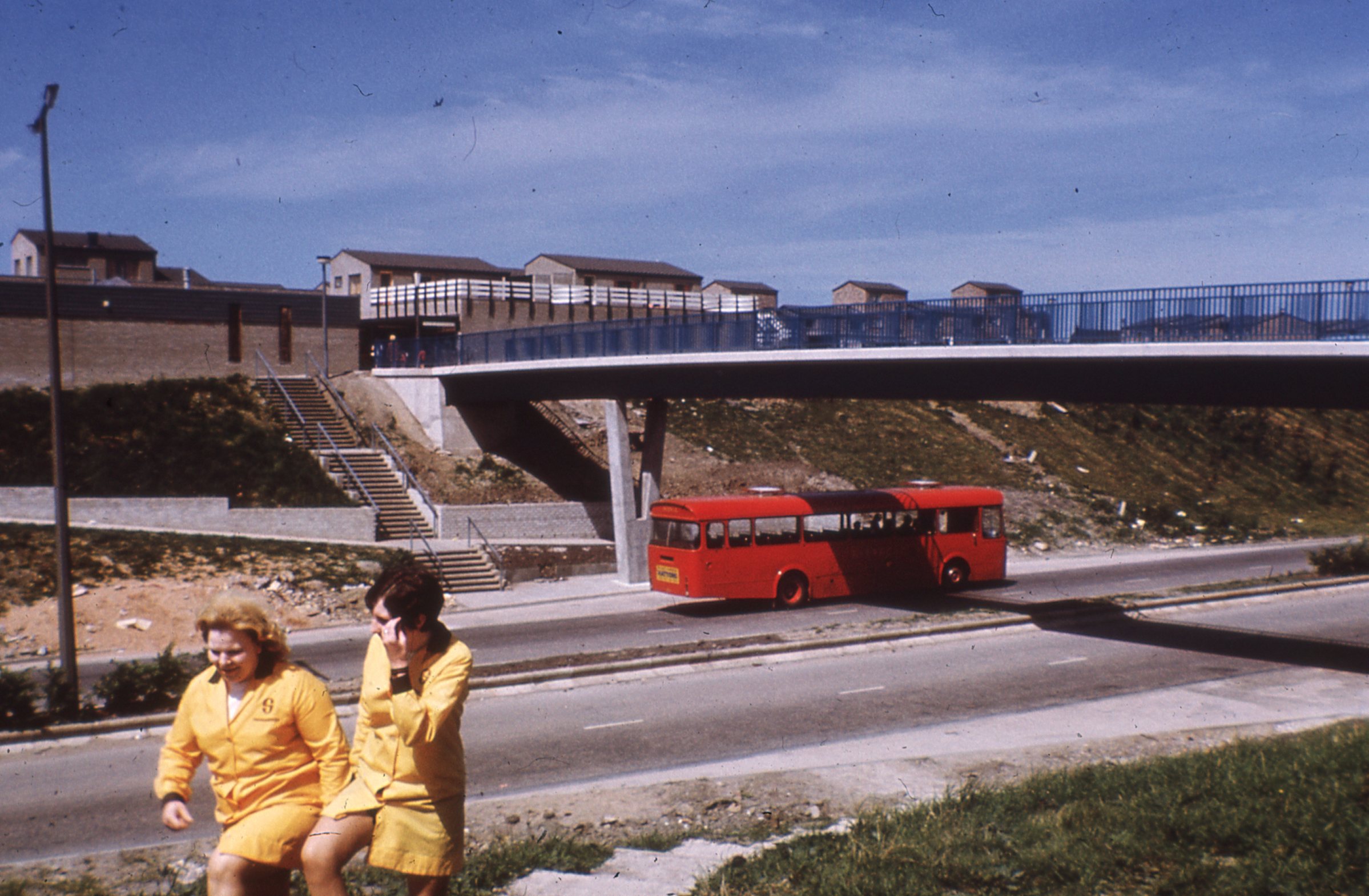
Description
During the twentieth century, Britain was transformed by ambitious urban development projects that were funded and managed by successive governments. Nineteenth-century terraces were demolished, town centres were reconfigured, and council estates and new towns were built to relieve housing shortages.
This project, funded by a White Rose Doctoral Training Partnership ESRC Postdoctoral Fellowship, offers a new gendered analysis of urban development, one which reconstructs the complexity of women’s spatial experiences and investigates the local specificities of non-metropolitan areas. To do so, it focuses on four new towns in north-west England – Skelmersdale, Runcorn, Warrington, and Central Lancashire – that were established during the 1960s and 1970s to alleviate housing shortages and facilitate regional economic growth.
Why north-west England?
A total of thirty-two new towns were built across the UK during the second half of the twentieth century, but historians know little about those outside southern England and Scotland. The new towns were planned and managed by local Development Corporations under central government control, meaning they offer a unique window into the ways that the state prescribed distinct roles for men and women.
Those in the north-west deserve specific attention because they illuminate how gender relations were shaped by the regional context of deindustrialisation, urban decline, and unemployment. By reading plans, policies, and the built environment through the lens of gender and exploring the experiences and memories of women who lived and/or worked in the north-west new towns, the project sheds new light on the connections between urban development, cultural constructions of femininity, and women’s subjectivities during the late twentieth century.
Project engagement, activities, and outputs
The project will engage local communities through public history workshops in Runcorn and Skelmersdale, the latter delivered in collaboration with Skelmersdale Heritage Society as a project partner.
In light of recent proposals to establish seven more new towns in England, the project will also engage national and local government policymakers to help them better understand the history of the post-war new towns and draw lessons from them.
This research will also inform an academic journal article and monograph proposal.